
How to Prepare a Ferrari for a Track Day Near Chicago
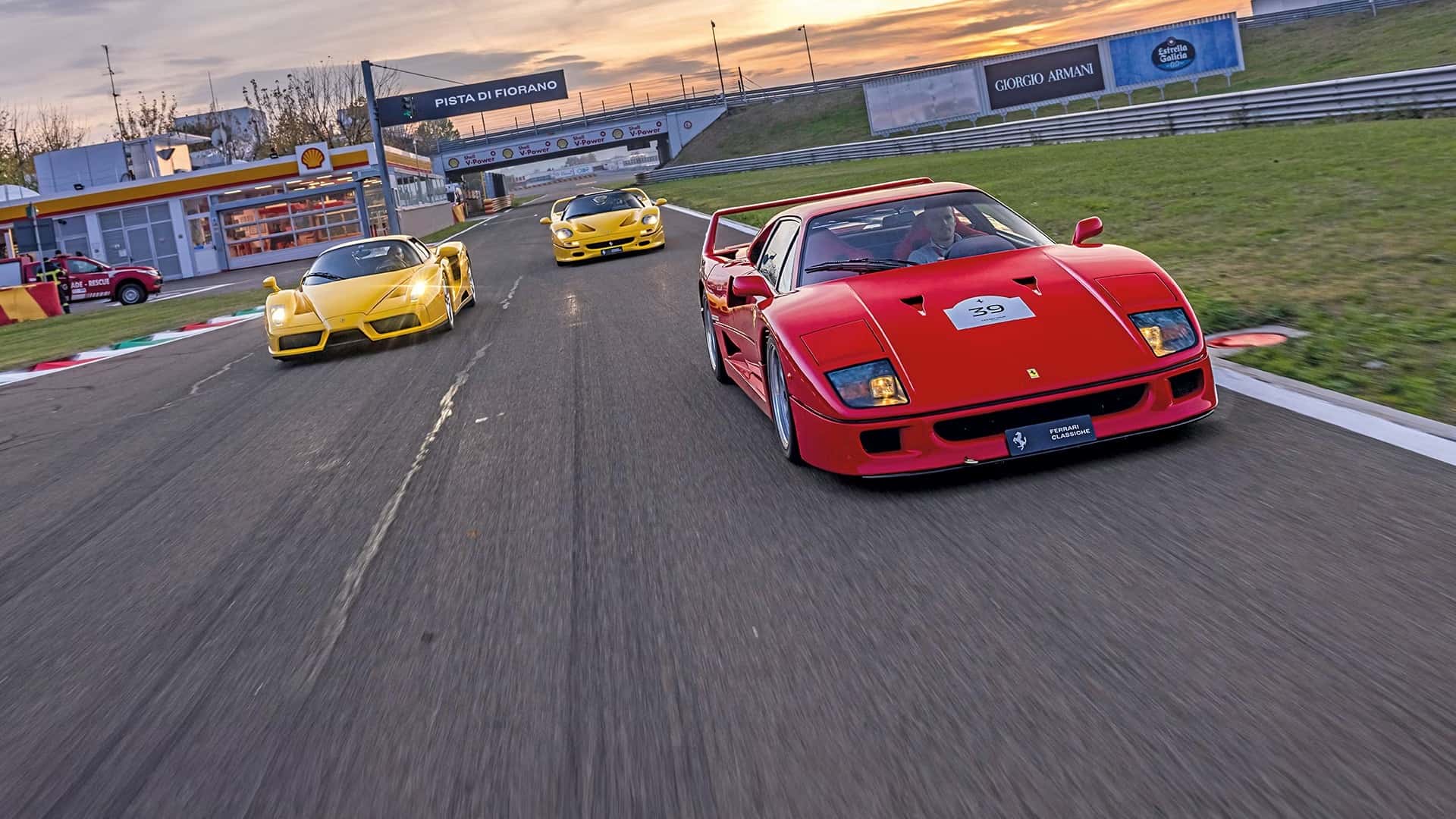
- Schedule a Ferrari pre-track inspection early enough to address tires, brakes, fluids, warning lights, and other mechanical concerns before the event.
- Read the organizer’s rules carefully because helmet standards, convertible requirements, sound limits, technical inspections, and passing procedures vary by event.
- Bring the car back to road-ready condition afterward with a careful tire, brake, fluid, wheel, and underbody inspection.
Preparing a Ferrari for a track day requires more than checking the fuel level and selecting Race mode. Sustained high speeds, repeated braking, elevated tire temperatures, and long sessions place demands on the car that are rarely encountered during ordinary driving around Chicago. A thorough inspection helps protect the vehicle while giving the driver more confidence once the track goes green.
Chicago-area Ferrari owners have several road-course options within driving or transportation distance, including Autobahn Country Club in Joliet, Blackhawk Farms Raceway near South Beloit, and Road America in Elkhart Lake, Wisconsin. Each facility hosts events with its own eligibility rules and technical requirements, so preparation should begin with the specific organizer rather than a generic track-day checklist.
Choose the Right Track-Day Event
Not every track event follows the same format. A High Performance Driver Education event typically organizes drivers by skill level and may pair first-time participants with instructors. Open-lapping events may expect drivers to have previous track knowledge, while private club days can establish separate rules for passing, safety equipment, passengers, and vehicle eligibility.
Before registering, confirm that the event accepts street-legal Ferraris and accommodates your current skill level. Review the organizer’s helmet standard, driver clothing rules, technical inspection form, convertible requirements, sound limits, cancellation policy, and insurance provisions. Drivers can also review our guide to Chicago-area tracks for performance cars when comparing nearby facilities.
| Track | Location | Layout | What to Know |
|---|---|---|---|
| Autobahn Country Club | Joliet, Illinois | North, South, and combined full-course configurations | Offers member programs, private events, instruction, and organized HPDE dates. |
| Blackhawk Farms Raceway | South Beloit, Illinois | Approximately 1.95 miles with seven turns | A compact technical circuit used by several clubs and driver-education organizations. |
| Road America | Elkhart Lake, Wisconsin | Approximately four miles with 14 turns | Long straights, elevation changes, and high-speed sections make preparation especially important. |
Rules can change between events held at the same facility. Always use the current documentation supplied by the organization running your specific date.
Schedule a Ferrari Pre-Track Inspection
Arrange an inspection several weeks before the event rather than waiting until the day before departure. That leaves time to order Ferrari parts, replace worn components, complete required maintenance, and road-test the vehicle after any work is performed.
A pre-track inspection should be completed by technicians familiar with the model, its braking system, electronic controls, factory specifications, and any hybrid components. Ferrari Lake Forest’s factory-authorized Ferrari Service Center can inspect the vehicle and help determine what it needs based on its age, mileage, service history, tire condition, and intended track use.
Inspect the Tires Carefully
Tires affect braking, steering response, acceleration, and the operation of the car’s electronic control systems. A tire that looks adequate for normal road use may not be suitable for repeated high-speed sessions.
The inspection should consider:
- Tread depth and evenness of wear
- Sidewall cuts, cracking, bulges, or previous repairs
- Tire age and manufacturing date
- Heat-cycle history on tires previously used at the track
- Correct model, size, speed rating, and load rating
- Wheel condition and signs of bending or impact damage
- Valve stems, caps, and tire-pressure monitoring operation
Do not assume that the maximum pressure printed on the sidewall is a suitable track setting. Tire pressure increases as the tire heats, and the appropriate starting point depends on the Ferrari model, tire, weather, driver pace, and circuit. Establish a pressure plan with a qualified technician or track instructor, then monitor pressures throughout the day.
Check the Brakes and Brake Fluid
Track driving generates substantially more brake heat than normal street driving. Brake pads, rotors, calipers, hoses, and fluid should all be checked before the event. Any vibration, soft pedal, warning message, fluid seepage, or unusual noise needs to be investigated before the vehicle enters the circuit.
Ferraris equipped with carbon-ceramic brakes require model-specific inspection procedures. Remaining pad thickness alone may not provide a complete picture of system condition. The technician should evaluate the rotors, pads, hardware, electronic monitoring data, and recent use according to Ferrari procedures.
Brake fluid also absorbs moisture over time, which can reduce its resistance to boiling under repeated hard braking. Ask the servicing technician whether the fluid’s age and condition are appropriate for the event. Any replacement fluid must be compatible with the specific Ferrari and its braking system.
Review Fluids, Cooling, and Warning Systems
Inspect engine oil, coolant, transmission fluid, and other serviceable fluids according to the model’s maintenance requirements. The goal is not to overfill each reservoir. Fluid levels must remain within the correct range because both low and excessive levels can cause problems during high-load operation.
The cooling system should be checked for leaks, damaged hoses, debris, and signs of previous overheating. The diagnostic inspection should also identify stored faults or intermittent warning messages that may not be visible during a normal drive. For plug-in hybrid Ferrari models, the high-voltage system, battery charge strategy, and cooling circuits require model-specific attention.
Inspect Wheels, Suspension, and Underbody Components
Track preparation should also include the wheel fasteners, wheel bearings, steering components, suspension, underbody panels, aerodynamic pieces, and visible chassis mounting points. A loose panel or damaged component can become a larger problem at speed.
Wheel fasteners must be tightened to the Ferrari specification with properly calibrated equipment. Repeatedly adding extra torque does not make the wheel safer and may damage the hardware. If the organizer requires a signed technical inspection form, bring it to the service appointment so each listed item can be addressed.
Prepare the Cabin and Remove Loose Items
Everything loose inside the Ferrari can move during braking and cornering. Clear the passenger compartment, rear seating area, door pockets, center console, and luggage compartment before arriving at the circuit.
Items to remove or secure include:
- Phones, charging cables, sunglasses, and garage remotes
- Water bottles, tools, umbrellas, and detailing products
- Toll transponders and removable electronics
- Loose floor mats when required by the organizer
- Luggage and other objects stored behind the seats
- Unsupported camera mounts or suction-mounted devices
Bring the Ferrari tow hook if the model has a removable unit and confirm where it should be installed. Some organizers require it to be fitted before the first session, while others only require it to be available in the vehicle. Camera placement and mounting rules also vary, so obtain approval before attaching recording equipment.
Confirm Your Helmet and Personal Equipment
Track-day organizers usually specify a minimum Snell or FIA helmet certification. A standard motorcycle or recreational helmet may not satisfy the event’s requirements. Verify the certification label, helmet condition, and expiration standard before registration.
You may also need:
- Long pants and a long-sleeve shirt made from suitable material
- Closed-toe shoes with thin, secure soles
- Driving gloves if preferred
- Eye protection when required
- Water, sun protection, and weather-appropriate clothing
- A valid driver’s license and event paperwork
Convertible rules deserve particular attention. Requirements may depend on factory rollover protection, windshield structure, seating position, helmet clearance, and the organizer’s own policy. Do not assume that a Ferrari Spider is automatically eligible simply because another group allowed it at a previous event.
Understand the Ferrari Manettino Before the First Session
The track is not the place to learn what each steering-wheel setting does by trial and error. Review the owner’s manual and understand how the Manettino changes the suspension, transmission, throttle response, traction control, stability control, and electronic differential.
The available settings depend on the model. Many modern Ferraris include combinations of Wet, Sport, Race, CT Off, or ESC Off. A first-time track driver should not disable electronic assistance simply because the vehicle is on a closed course. Conditions, tire temperature, track surface, and driver skill all influence which setting is appropriate.
Use the mode recommended by the instructor for your group and conditions. Our overview of Ferrari driver modes and Manettino settings provides additional background before the event.
Consider Professional Ferrari Driver Training
Vehicle preparation cannot replace driver preparation. A powerful Ferrari can reach high speeds quickly, but track proficiency depends on vision, braking consistency, weight transfer, steering input, passing awareness, and communication with other drivers.
Ferrari’s Corso Pilota driving program provides progressive instruction for Ferrari clients. The Sport course introduces performance-driving fundamentals through classroom and on-track coaching, while later courses build toward more advanced techniques. Ferrari Lake Forest also supports drivers interested in progressing from road cars toward organized motorsport through its Driver Development and Ferrari Challenge programs.
For a local HPDE event, request an instructor even if the organizer allows you to drive alone. Learning the correct line and procedures at a controlled pace is more valuable than trying to set a fast lap during the first session.
Decide Whether to Drive or Transport the Ferrari
Driving to the track may be reasonable for a nearby event, but transportation has several advantages. An enclosed trailer avoids adding road mileage, keeps track-focused tires away from highway debris, and provides a return plan if the car cannot be driven after the event.
Transportation becomes especially useful for Road America, multi-day events, cars with low ground clearance, or Ferraris carrying additional wheels and equipment. Ferrari Lake Forest offers enclosed Ferrari transportation for eligible locations. Contact the service team in advance to confirm availability, timing, and coverage for the circuit.
Complete the Final Checks Before Leaving
Review the forecast and event communications the day before departure. Rain, high temperatures, or a schedule change may affect tire selection, pressure planning, clothing, and arrival time.
Your final review should include:
- Fuel level or hybrid battery charge
- Tire pressures measured with an accurate gauge
- No active warning lights or fluid leaks
- Secure wheel fasteners verified to specification
- Required helmet and clothing
- Driver’s license, registration, and event confirmation
- Technical inspection paperwork
- Tow hook and model-specific tools
- Insurance documentation and emergency contact information
Check whether your standard automobile policy covers participation in a non-competitive track event. Many policies contain exclusions involving closed courses, timed events, competition, or high-performance driver education. Confirm coverage directly with the insurer and consider event-specific protection when appropriate.
Give the Ferrari Time to Warm Up
A cold engine, transmission, tire, or brake system should not be subjected immediately to maximum load. Use the first portion of each session to bring the car and tires into their operating ranges while learning the circuit’s current conditions.
Avoid chasing lap times early in the day. Track surfaces change with temperature, weather, debris, and other vehicles. Smooth inputs and consistent reference points reduce unnecessary stress on both the Ferrari and the driver.
Inspect the Ferrari Between Sessions
Do not wait until the end of the day to check the vehicle. After each session, look for developing concerns while the previous laps are still fresh in your mind.
Between-session checks can include:
- Hot tire pressures and changes in tread appearance
- Uneven wear, cuts, pickup, or sidewall damage
- Brake pedal feel and visible brake condition
- Fluid levels, leaks, and unusual odors
- Wheel and underbody condition
- Warning messages or changes in engine temperature
If the brake pedal, steering, transmission, engine, or hybrid system begins behaving differently, end the session and have the vehicle inspected. A track day is not worth continuing through a mechanical warning or unexplained change in handling.
Plan a Post-Track Inspection
Track preparation continues after the final session. Once the Ferrari has cooled, inspect the tires, wheels, brakes, fluids, bodywork, and underbody. Return tire pressures and vehicle settings to their appropriate road configuration before leaving the circuit.
A more detailed post-event inspection may be appropriate after a full day, particularly if the car encountered curbing, debris, unusually high temperatures, heavy braking, or an off-track excursion. Track use can also accelerate the maintenance schedule for fluids, tires, and braking components.
Drivers can schedule Ferrari service in Lake Bluff for pre-track preparation or a post-event evaluation. Tell the service advisor which circuit you visited, how many sessions you completed, and whether you noticed any changes in the car.
Prepare for Your Chicago-Area Track Day With Ferrari Lake Forest
A successful track day starts with the right event, a properly inspected Ferrari, suitable safety equipment, and instruction matched to your skill level. Preparing early gives you time to address concerns without rushing and allows the day to remain focused on learning the vehicle and circuit.
Ferrari Lake Forest has served Chicago and North Shore Ferrari owners from our Lake Bluff facility since 1981. Contact Ferrari Lake Forest to discuss track-day preparation, transportation, driver development, or service for your Ferrari.
Frequently Asked Questions
Does a Ferrari need an inspection before a track day?
Yes. A pre-track inspection is strongly recommended, and the event organizer may require a completed technical inspection form. Tires, brakes, fluids, wheels, suspension, cooling systems, warning lights, and safety equipment should be checked before the event.
Can I take a street-legal Ferrari to a Chicago-area track day?
Many HPDE and private track-day events accept street-legal Ferraris, but eligibility depends on the organizer, vehicle model, driver group, noise rules, and convertible requirements. Confirm the current rules before registering.
Which Ferrari driving mode should I use on the track?
The appropriate mode depends on the Ferrari model, weather, tire temperature, circuit, and driver skill. Follow the instructor’s recommendation and do not disable stability or traction systems simply because the car is on a closed course.
Does regular automobile insurance cover a Ferrari track day?
Many automobile policies exclude incidents on closed courses, during timed events, or at performance-driving events. Review the policy with the insurer and consider event-specific track coverage when appropriate.
0 comment(s) so far on How to Prepare a Ferrari for a Track Day Near Chicago