
How to Evaluate a Pre-Owned Ferrari Before Buying
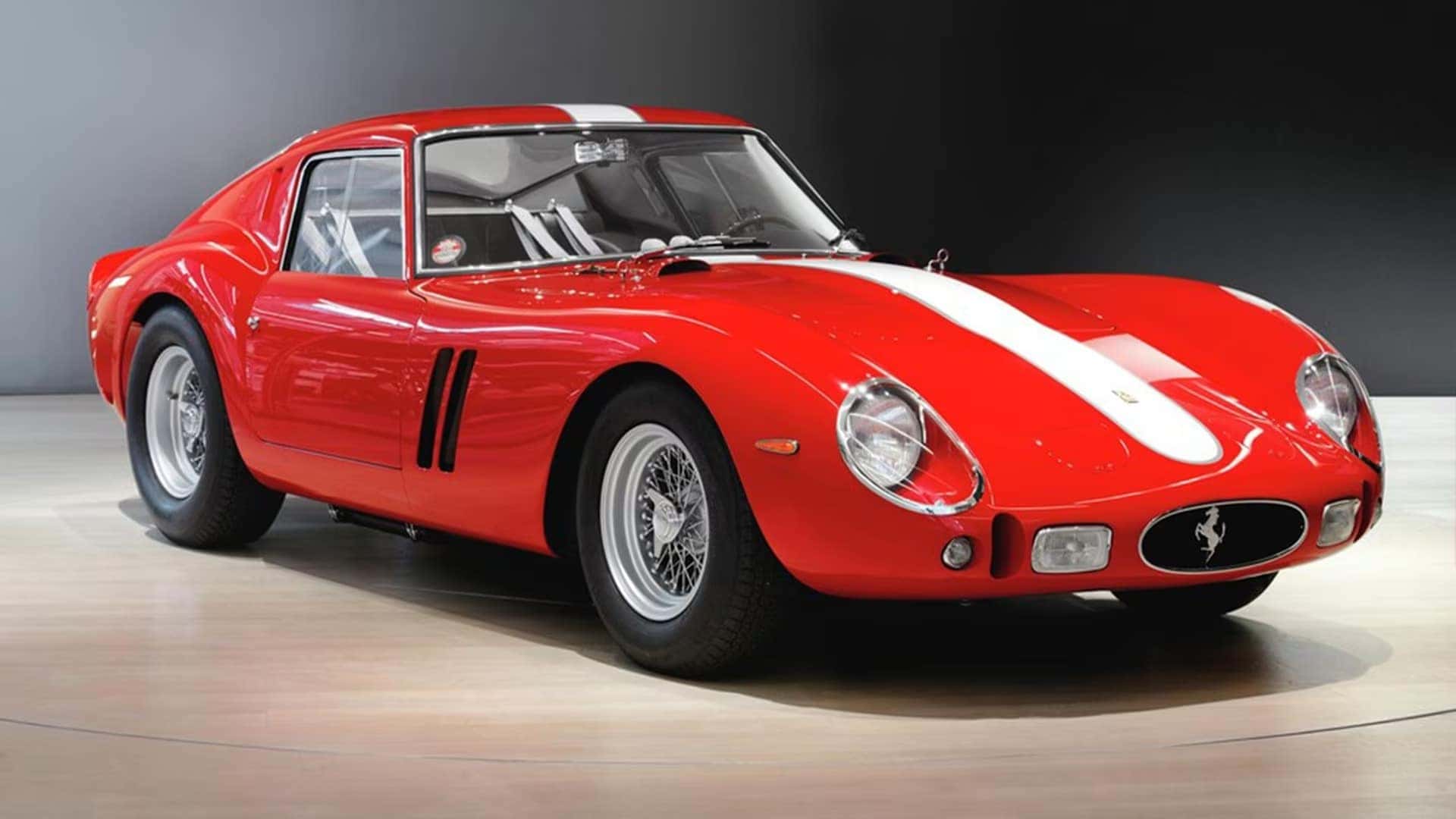
A Ferrari is never just another car on a used lot, and evaluating one has to reflect that. Whether you’re comparing a 360 with 40,000 miles against a low-mileage 430, or trying to decide if a private-party deal is worth the risk, the fundamentals stay the same. You need to put mileage in context, verify the service history, and nail down the specification. These tips come from four decades of Factory Authorized experience, built around the questions serious buyers ask us every week. If you’d rather skip ahead, you can browse our certified pre-owned inventory now.
Why Mileage, History, and Specification Matter More on a Ferrari
Buying a pre-owned Ferrari isn’t like buying a pre-owned luxury sedan. Values swing on details that would barely register on a mainstream car, things like a service gap, a repainted panel, or a build sheet that doesn’t quite match what the seller told you.
Mileage alone can mislead you badly. What the service records show tells you how the car was actually treated over the years, and the specification tells you whether what you’re looking at matches what Ferrari actually built. Get all three right, and buying a pre-owned Ferrari becomes a confident decision instead of a gamble.
Evaluating Mileage on a Pre-Owned Ferrari
Mileage still matters, but never in isolation. We treat it as one data point among several, weighted differently depending on the model and era.
Low, Average, and High Mileage by Model Era
A standard passenger car typically covers 10,000 to 15,000 miles per year. Exotics run lower: around 5,000 miles annually counts as low usage, while approaching or exceeding 15,000 miles a year qualifies as high mileage for a Ferrari. But the model matters just as much as the number. Mileage carries heavy weight on cars like the F40 or F50, where low miles protect both mechanical integrity and collector appeal.
It’s nearly irrelevant on a Daytona, where age and originality dominate. It plays a secondary role on 365s and 512 BBs, becomes important again on Testarossas, and turns into a key value driver on 550s, 360s, and 430s. Once a car crosses roughly the 25-year mark, condition and documented maintenance tend to outweigh the odometer reading entirely.
How Mileage Impacts Value and Future Servicing
Lower mileage generally supports a stronger asking price, but that doesn’t make it the safer buy automatically. A Ferrari that sat for years with sporadic use can develop dried seals, stale fluids, and deferred maintenance that a well-driven, well-documented car never dealt with. Higher-mileage examples with impeccable service files often outperform so-called “garage queens” mechanically. If you’re weighing two pre-owned Ferraris side by side, the real question is which one was actually cared for.
Odometer Discrepancies and Rollback Warning Signs
Odometer fraud is a real and growing problem across the pre-owned vehicle market. CARFAX estimates roughly 2.45 million U.S. vehicles are suspected of having rolled-back odometers, a 14% increase from the previous year. NHTSA estimates around 450,000 vehicles are sold annually with fraudulent readings, costing American consumers more than $1 billion each year.
On a Ferrari, the stakes climb higher. Watch for wear that doesn’t match the claimed mileage: worn pedals, a shiny steering wheel, collapsed seat bolsters on a car supposedly under 30,000 miles. Gaps in the history report, a tampered instrument cluster, or a two-year service gap followed by a suspiciously low mileage entry all count as warning signs. CARFAX and AutoCheck can flag cross-source mileage inconsistencies, and we run these checks as a matter of course before any pre-owned Ferrari purchase moves forward.
Verifying Service History and Maintenance Records
Service history is arguably the single best predictor of how a Ferrari will behave after you buy it.
What a Complete Ferrari Service File Should Include
Ferrari’s 7-Year Genuine Maintenance program covers scheduled service, original parts, and inspections performed by Ferrari-trained technicians, with history logged in Ferrari’s database and available as printable records. This program transfers with the car rather than staying with the original owner, so even a pre-owned Ferrari under seven years old may still qualify for annual service at an authorized center.
A complete file should also include the original owner’s manuals and tool kit or roll. Ferrari service follows both mileage and time based intervals, whichever comes first, typically every 20,000 km (about 12,500 miles) or once a year. Fluids age and seals settle regardless of how far the car has traveled, so annual service is still required even for low-mileage owners.
Gaps, Independent Shops, and DIY Red Flags
Skipping service because the car “barely gets driven,” incomplete records, non-specified fluids or parts, and poor storage planning are all worth asking about directly. Good questions for a seller include: “Has the timing and clutch service been completed, and do you have the invoice?” or “Can you provide the servicing garage’s contact information so I can verify the work?” A seller unwilling to allow an independent inspection may be hiding something, and insisting on complete records protects you before you’re committed to buying a pre-owned Ferrari.
Confirming Authenticity with Factory and Classiche Records
Ferrari Classiche is the manufacturer’s official authentication program, checking major components against factory records dating back to 1947. Road cars over 20 years old, along with Special Series and sport models, are eligible, and F1 cars qualify regardless of age.
The four-step process starts through an authorized dealer or in Maranello and results in photographic and technical documentation plus a Certificate of Authenticity signed by Piero Ferrari. Certification also opens access to genuine spare parts and official Ferrari events.
Confirming Specification, Options, and Originality
Decoding the VIN and Build Sheet
A Ferrari build sheet documents the engine type, transmission, interior materials, paint, and production number, giving you a factual baseline to check seller claims against. Factory build sheets are accessible through the MyFerrari portal.
Older Ferraris use chassis numbers rather than modern VINs, found on the engine-compartment bulkhead plate, the driver’s-side door sill or pillar tag, or on tubular-framed cars, a structural tube near the cockpit. Verifying this data confirms factory spec, ownership history, and configuration, which matters enormously on rare or heavily optioned builds and guards against VIN cloning.
Factory Options, Paint Codes, and Interior Configurations
Paint and color codes are typically found on the driver’s-side door frame or B-pillar label, the front left wheel well, or near the engine bay and radiator support. Cross-referencing these against verified build data reveals the original color and upholstery combination, safety equipment profile, and production sequence, which directly affects both authenticity and desirability among collectors.
Identifying Non-Original Parts and Modifications
Non-original parts and unapproved modifications can meaningfully affect both authenticity and value. Ferrari maintains strict rules around engine, body, and marque alterations, and even certain paint colors are restricted. Records only carry real weight if the work was performed by certified Ferrari technicians, so any modification history should come with documentation from a trusted source.
Assessing Accident History and Overall Condition
Before you ever walk around the car, review its paper trail: a vehicle history check, complete service records, any recalls or factory updates, prior accident or insurance damage, and ownership or usage patterns. Misaligned panels, inconsistent paint quality, or overspray in areas that shouldn’t have been touched all point to prior repair work worth questioning. A clean history paired with consistent documentation is the clearest indicator of a satisfying ownership experience ahead.
As part of the Ferrari Approved process, an independent title inspection confirms mileage, ownership history, and any outstanding liens, an important safeguard that’s easy to overlook when buying a pre-owned Ferrari privately.
Ferrari Approved Certification vs. Independent Sellers
Your choice of path here shapes your risk directly. Ferrari Approved certification, available to Ferraris registered within the last 14 years with no stated mileage limit, requires the car to pass a 101-point inspection performed by factory-trained technicians using genuine parts, finishing with a test drive and a written evaluation placed in the glove compartment.
It also includes restoration of the exterior paintwork and interior trim to a condition appropriate to the car’s age and mileage, along with a full detailing, a 2-year unlimited-mileage limited warranty, and a roadside assistance package covering breakdown support, travel, accommodation, transport to an official Ferrari dealer, and rental assistance where available. Wear items like tires and brake pads aren’t covered, and warranty terms can vary, so it’s worth confirming specifics with our team.
Buying independently shifts that entire verification burden onto you. You’re the one requesting records, confirming them with the servicing garage, and arranging a paid third-party inspection. Ferrari Approved builds all of that in by design.
| Category | Ferrari Approved CPO | Independent/Third-Party Certified |
|---|---|---|
| Inspection Scope | 101-point inspection by factory-trained technicians | Varies by shop, no standardized factory checklist |
| Warranty Coverage | 2-year, unlimited-mileage limited warranty | Often none, or limited third-party warranty |
| Factory Records Access | Direct access to Ferrari’s records and build data | Buyer must request and verify independently |
| Roadside/Concierge Assistance | 24/7 roadside, trip protection, concierge services | Typically not included |
| Technician Training | Ferrari factory-trained specialists | Varies widely by shop |
| Resale Value Impact | Ferrari Approved history supports resale value | Depends on documentation buyer retains |
If you’re comparing options, our current Ferrari certified pre-owned listings show exactly which cars carry this certification.
The Pre-Purchase Inspection: What to Confirm Before Buying
A pre-purchase inspection on a Ferrari is far more involved than on an ordinary car, and the time required varies by era. A 360 Spider might take three to four hours; an Enzo-era car requiring interior removal can take a full day. If Classiche documentation is part of the review, add hours for the photo and paperwork process, with full certification sometimes stretching weeks or months.
On older cars, deeper structural checks, including pulling wheels or fender access panels, may be warranted. Whatever the scope, insist on a written report with photos for your own records, and route that inspection through our service department or schedule one directly before you commit to a purchase.
Why Buy Your Pre-Owned Ferrari from Ferrari Lake Forest
Our Facility and Factory Authorized Standing
We’ve been a Factory Authorized Ferrari dealer since 1981, and that history shapes every part of how we sell pre-owned cars. Our 70,000-square-foot facility in Lake Bluff houses one of the largest indoor Ferrari displays in the country, with cars ranging from vintage models to the newest arrivals on the floor. Ferrari recognized that commitment with the Ferrari Service Award at the 2024 Top Dealer Awards.
CPO Standards, Storage, and Financing
Every CPO vehicle we offer passes a factory-aligned multipoint inspection covering powertrain, suspension, brakes, and electronics, performed by factory-trained technicians, backed by a manufacturer-backed extended warranty and a roadside package that includes trip protection and concierge services around the clock. For Chicagoland collectors, we also offer heated, monitored storage for cars not in active use, and nationwide transport for buyers who aren’t local. If financing is part of your plan, you can also apply for financing directly with our team.
Explore Pre-Owned Ferrari Inventory at Ferrari Lake Forest
Buying a Ferrari the right way comes down to putting mileage in context, checking for clean service history, and confirming specification, backed by a dealer with the factory relationship to check all three. Browse our full pre-owned Ferrari inventory to see current availability, whether you’re after a modern CPO car or a rarer classic, or contact our team for personalized guidance on your next purchase.
0 comment(s) so far on How to Evaluate a Pre-Owned Ferrari Before Buying